Resources
All
Case Studies
Webinars
Blog
White Papers

The Case for Care Orchestration in Oncology
White paper
Growing wait lists, wasted capacity, rising costs, lack of operational resilience, teams stretched to their limit. If you have ever finished one of those days thinking there has to be another way to run this, you are right. There is. This paper is about it.
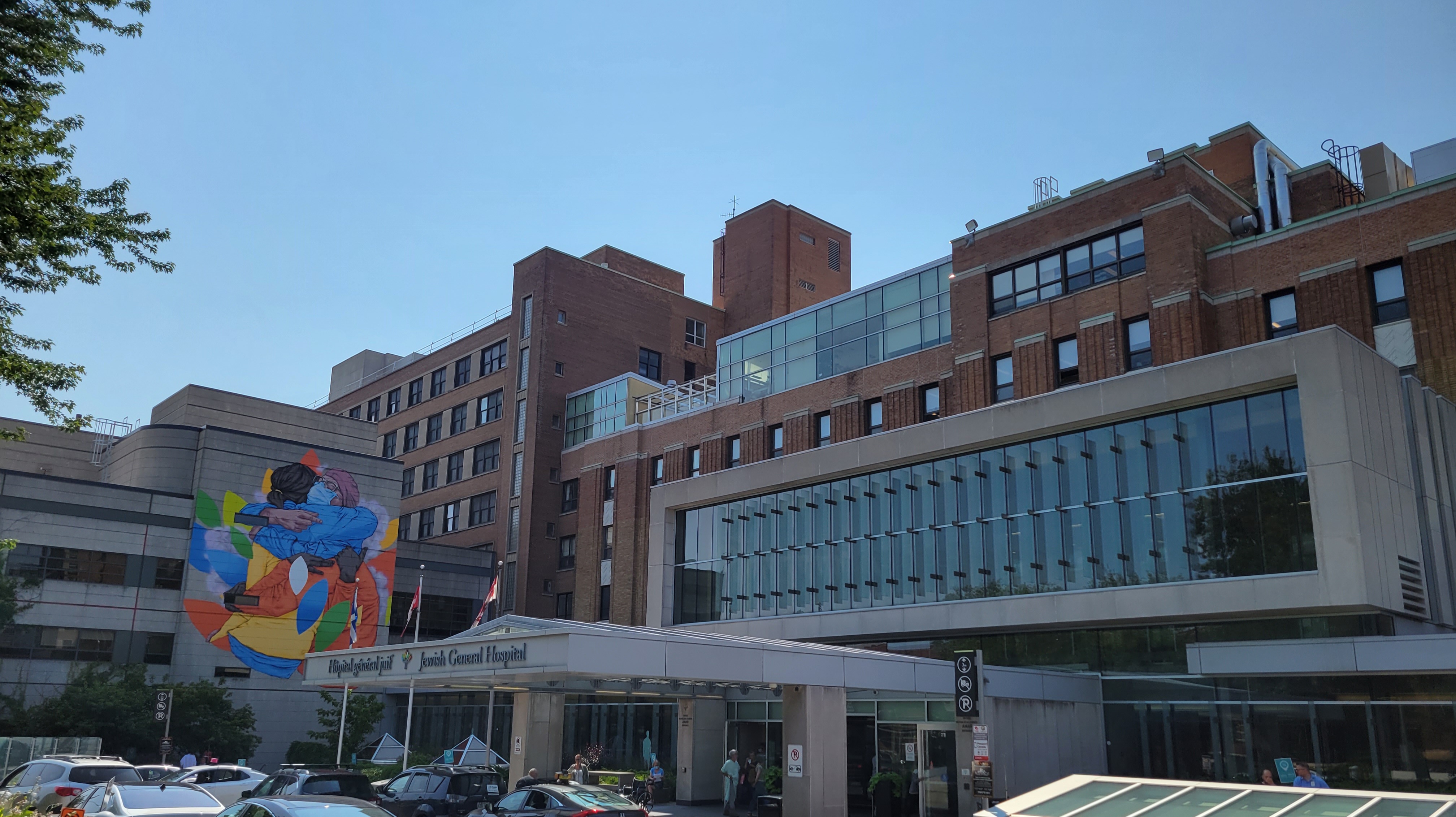
Unlocking Capacity and Improving Coordination of Care in Systemic Therapy at the JGH
The Jewish General Hospital
Case study
Infusion Therapy
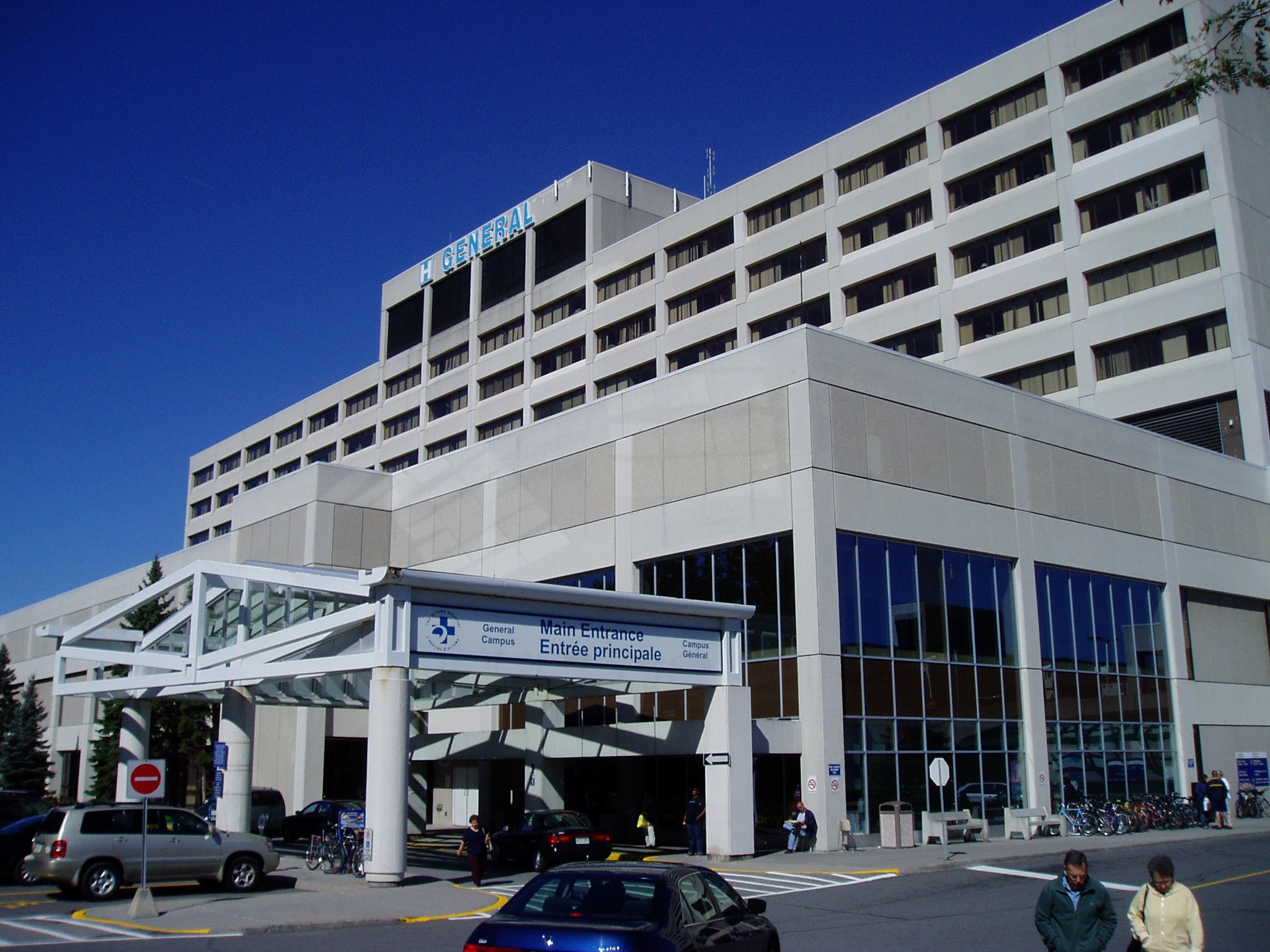
Reducing Wait Times by 17% at The Ottawa Hospital
The Ottawa Hospital
Case study
Radiation Therapy

Streamlining Operations Across Radiation Therapy and Infusion Therapy at the CHUM
CHUM: Centre Hospitalier de l'Université de Montréal
Case study
Infusion Therapy
Radiation Therapy
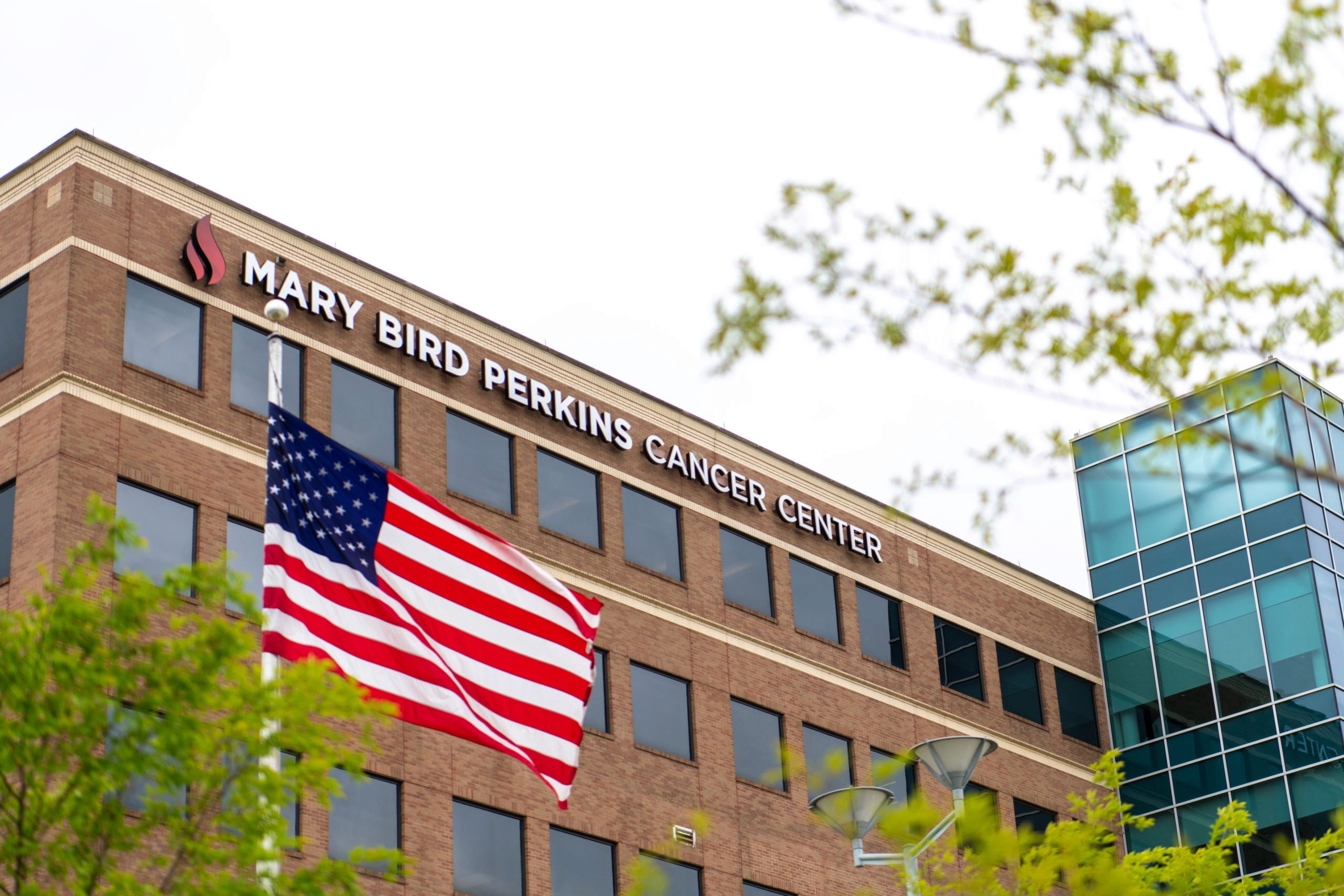
How Mary Bird Perkins Cancer Center Cut Scheduling Time by 40% and Reduced Administrative Delay by 22%
Mary Bird Perkins Cancer Center
Case study
Radiation Therapy
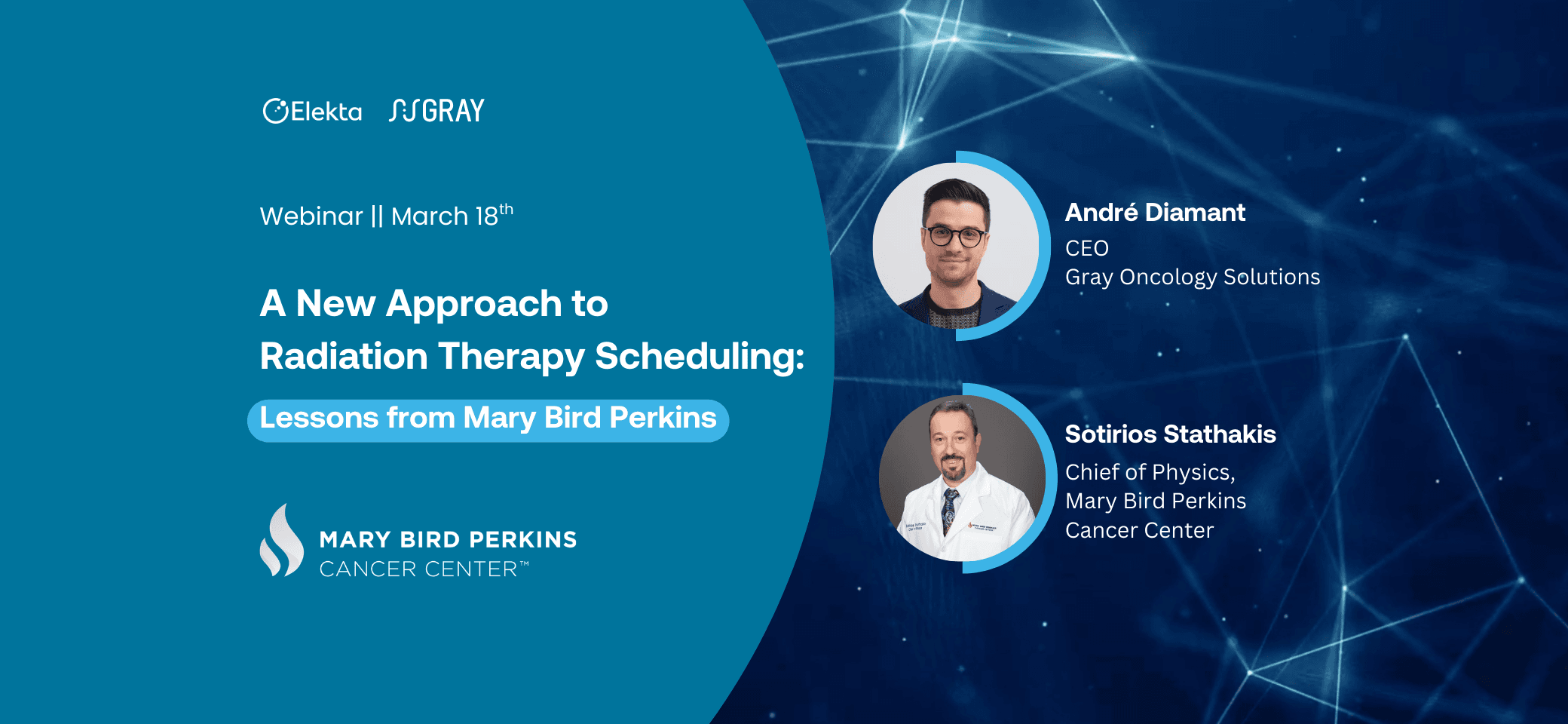
A New Approach to Radiation Therapy Scheduling: Lessons from Mary Bird Perkins
On-demand webinar
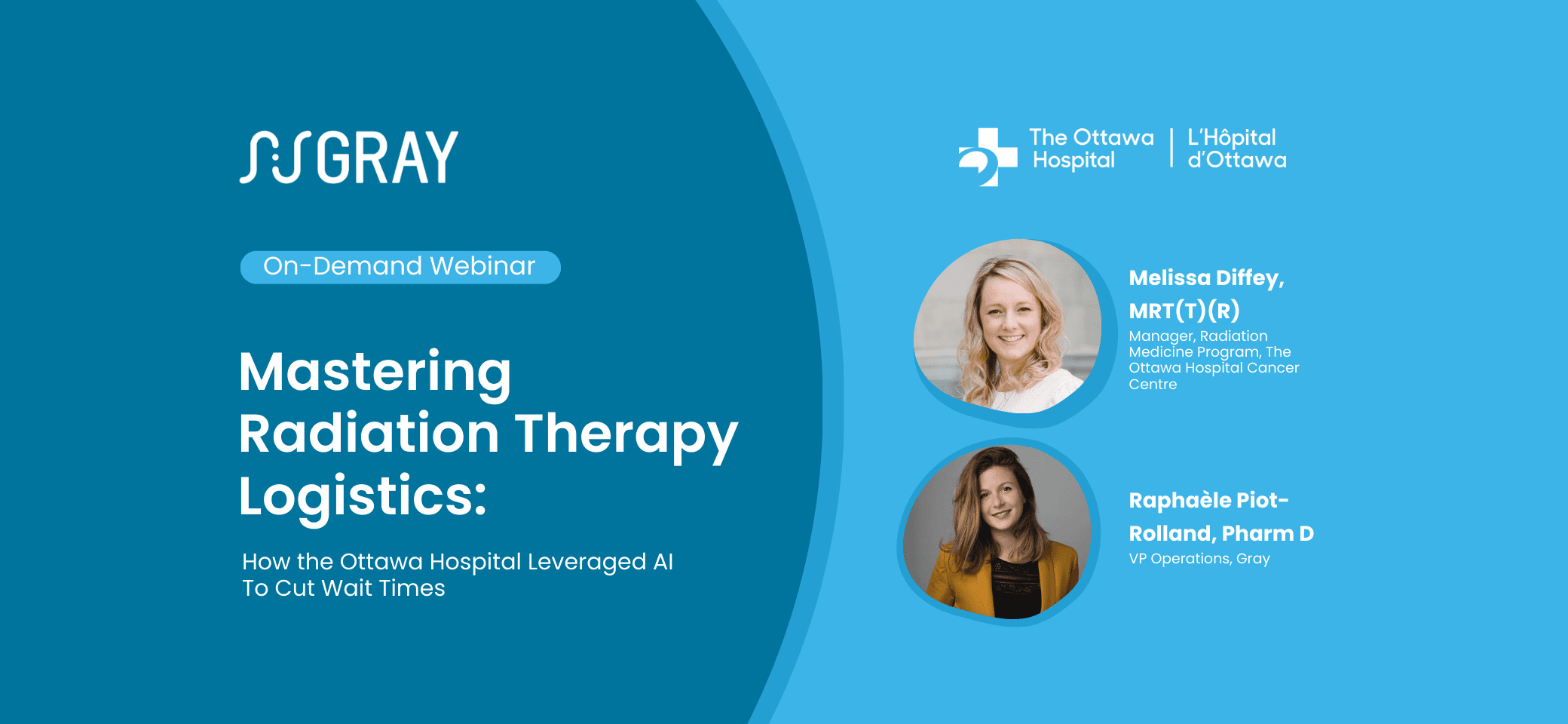
Mastering Radiation Therapy Logistics: How The Ottawa Hospital Leveraged AI To Cut Wait Times
On-demand webinar

Rules, optimization, orchestration: what sets GrayOS apart from existing systems
Blog
Every oncology appointment sits inside a tangle of constraints: machines, qualified staff, treatment continuity, clinical priority. Most systems place it and stop there. But what readjusts the whole plan when the day drifts, and on whose priorities? A look at what separates rules from optimization from orchestration, and why that distinction defines a category.
Does GrayOS use AI?
Blog
Yes, GrayOS uses AI. What matters is which kind, and where it sits. In most oncology departments the real black box is not an algorithm, it is the day's plan, held in the memory of one or two people and written down nowhere. At the core sits an optimization engine, not generative AI. Predictions inform the human decision, they never replace it. Why transparency is a design choice.
What it takes to deploy GrayOS: an honest account of the work
Blog
Any operational leader who has lived through a clinical software rollout asks the same thing first: what will this cost my team, in hours and attention, before it returns anything. The effort is real, and it is shared. The center encodes how it runs, Gray fits the platform around that, and the part the center invests is spent once and returns automation for years. A phase-by-phase account.

"We operate a little differently here."
Blog
Every cancer center operates differently, yet beneath the variation lies one shared equation: matching rising demand to finite capacity across the patient trajectory, and here is how GrayOS encodes each center's specific rules to solve it.
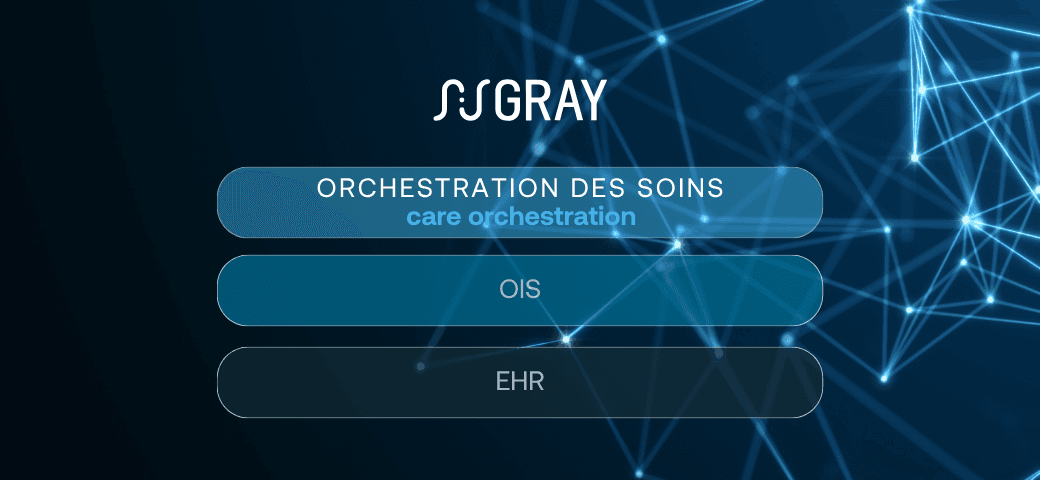
Three Layers, One System: How Care Orchestration Completes Existing Oncology Infrastructure
Blog
OIS and EHR systems were never designed to continuously balance patient demand against finite capacity across departments, and closing that structural gap comes from adding a third layer rather than replacing what already works.
What Your OIS and EHR Were Built For, and What Sits Outside Their Scope
Blog
In most cancer centers, patient coordination runs on spreadsheets, chat threads, and a few people's memory. That layer was never designed, and no one owns it.
All
Case Studies
Webinars
Blog
White Papers
The Case for Care Orchestration in Oncology
White paper
Growing wait lists, wasted capacity, rising costs, lack of operational resilience, teams stretched to their limit. If you have ever finished one of those days thinking there has to be another way to run this, you are right. There is. This paper is about it.
Unlocking Capacity and Improving Coordination of Care in Systemic Therapy at the JGH
Reducing Wait Times by 17% at The Ottawa Hospital
Streamlining Operations Across Radiation Therapy and Infusion Therapy at the CHUM
How Mary Bird Perkins Cancer Center Cut Scheduling Time by 40% and Reduced Administrative Delay by 22%
A New Approach to Radiation Therapy Scheduling: Lessons from Mary Bird Perkins
On-demand webinar
Mastering Radiation Therapy Logistics: How The Ottawa Hospital Leveraged AI To Cut Wait Times
On-demand webinar
Rules, optimization, orchestration: what sets GrayOS apart from existing systems
Blog
Every oncology appointment sits inside a tangle of constraints: machines, qualified staff, treatment continuity, clinical priority. Most systems place it and stop there. But what readjusts the whole plan when the day drifts, and on whose priorities? A look at what separates rules from optimization from orchestration, and why that distinction defines a category.
Does GrayOS use AI?
Blog
Yes, GrayOS uses AI. What matters is which kind, and where it sits. In most oncology departments the real black box is not an algorithm, it is the day's plan, held in the memory of one or two people and written down nowhere. At the core sits an optimization engine, not generative AI. Predictions inform the human decision, they never replace it. Why transparency is a design choice.
What it takes to deploy GrayOS: an honest account of the work
Blog
Any operational leader who has lived through a clinical software rollout asks the same thing first: what will this cost my team, in hours and attention, before it returns anything. The effort is real, and it is shared. The center encodes how it runs, Gray fits the platform around that, and the part the center invests is spent once and returns automation for years. A phase-by-phase account.
"We operate a little differently here."
Blog
Every cancer center operates differently, yet beneath the variation lies one shared equation: matching rising demand to finite capacity across the patient trajectory, and here is how GrayOS encodes each center's specific rules to solve it.
Three Layers, One System: How Care Orchestration Completes Existing Oncology Infrastructure
Blog
OIS and EHR systems were never designed to continuously balance patient demand against finite capacity across departments, and closing that structural gap comes from adding a third layer rather than replacing what already works.
What Your OIS and EHR Were Built For, and What Sits Outside Their Scope
Blog
In most cancer centers, patient coordination runs on spreadsheets, chat threads, and a few people's memory. That layer was never designed, and no one owns it.

Ready to Unlock Capacity?
Ready to Unlock Capacity?